

Explore The Blog

If You Believe “Everyone Is Neurodivergent,” You’re Part of the Problem
When spiritual oneness is used to erase the lived suffering of marginalized people, it isn't enlightenment. It's a very comfortable form of privilege.
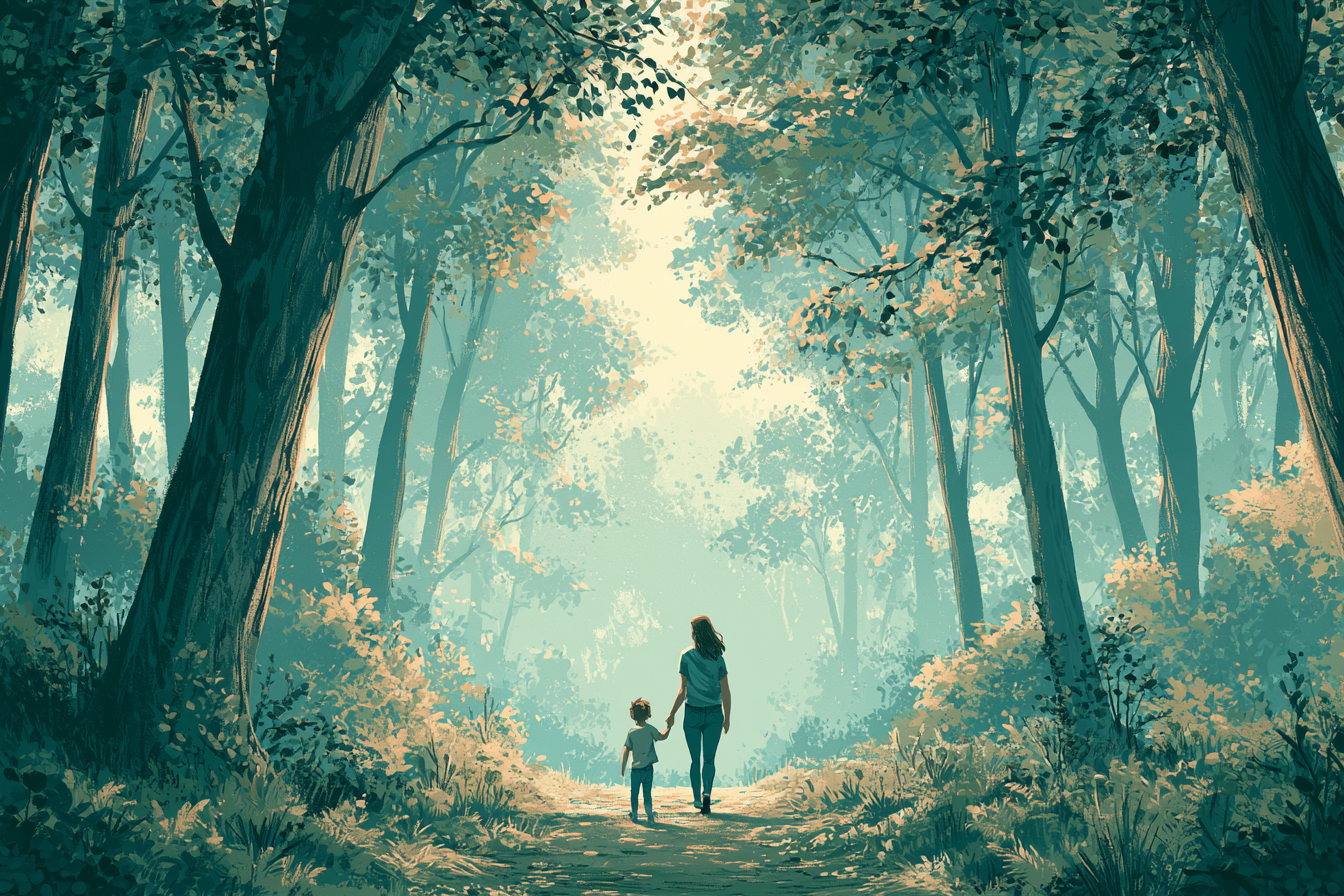
Parenting While Neurodivergent – A User’s Manual
As a parent, you are not doomed to repeat what happened to you. And your neurodivergent child is not a tragedy waiting to be grieved.
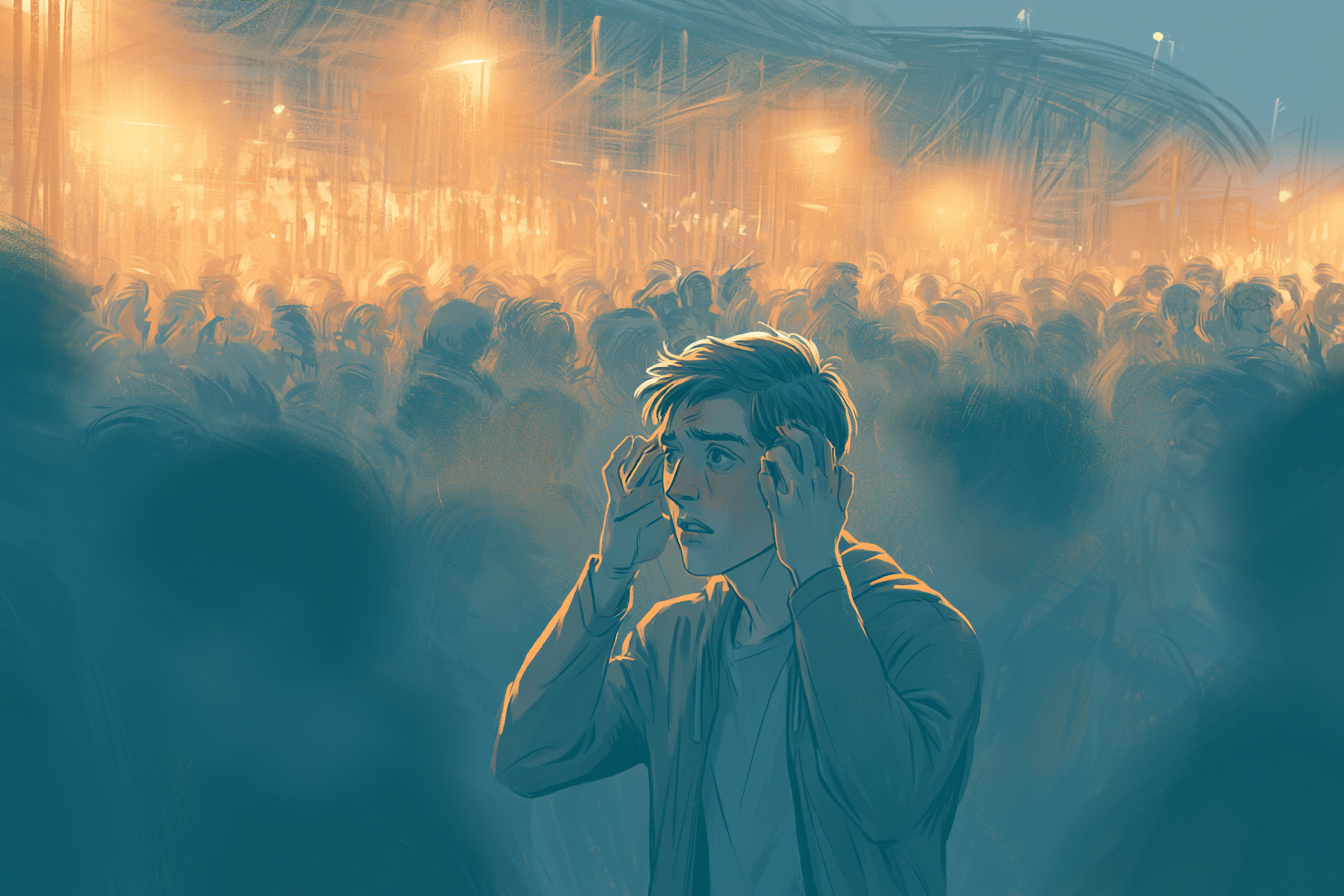
The Sensory Experience Is Central to Neurodivergent Life. Here’s What I’ve Created to Help.
While writing the hardest chapter of my book so far, I built a free tool to help you map your own sensory profile. Try it and tell me what you find.
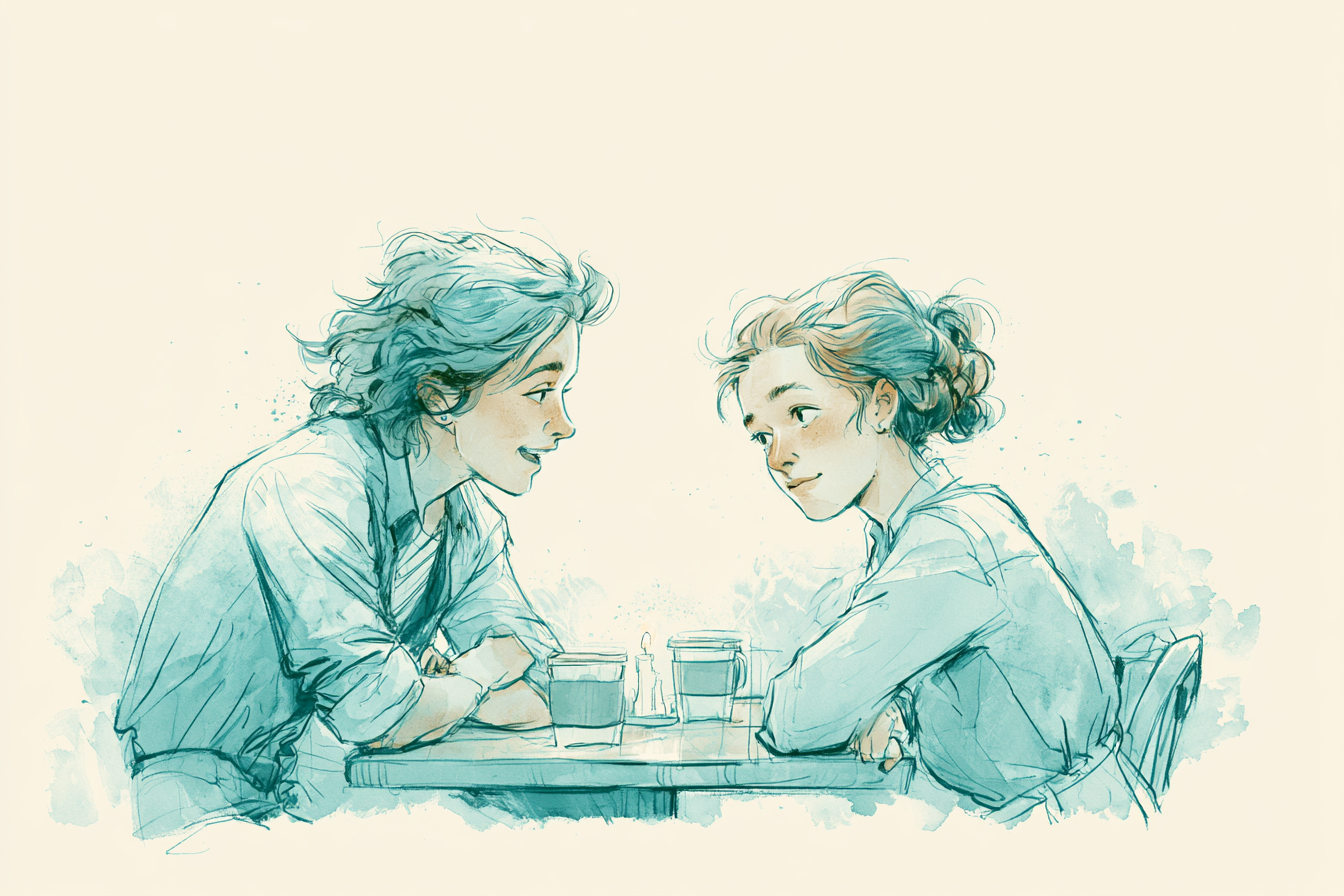
When You're Wired Differently, Nobody Hands You the Manual for Love
Most of us grew up certain we're bad at love. Certain the problem is us. What nobody told us: we were handed the wrong manual for a vehicle almost nobody around us knew how to drive. This is the manual section for love — written by a late-identified autistic therapist who's also been that person, undiagnosed and drowning, absolutely sure the fault was his own.
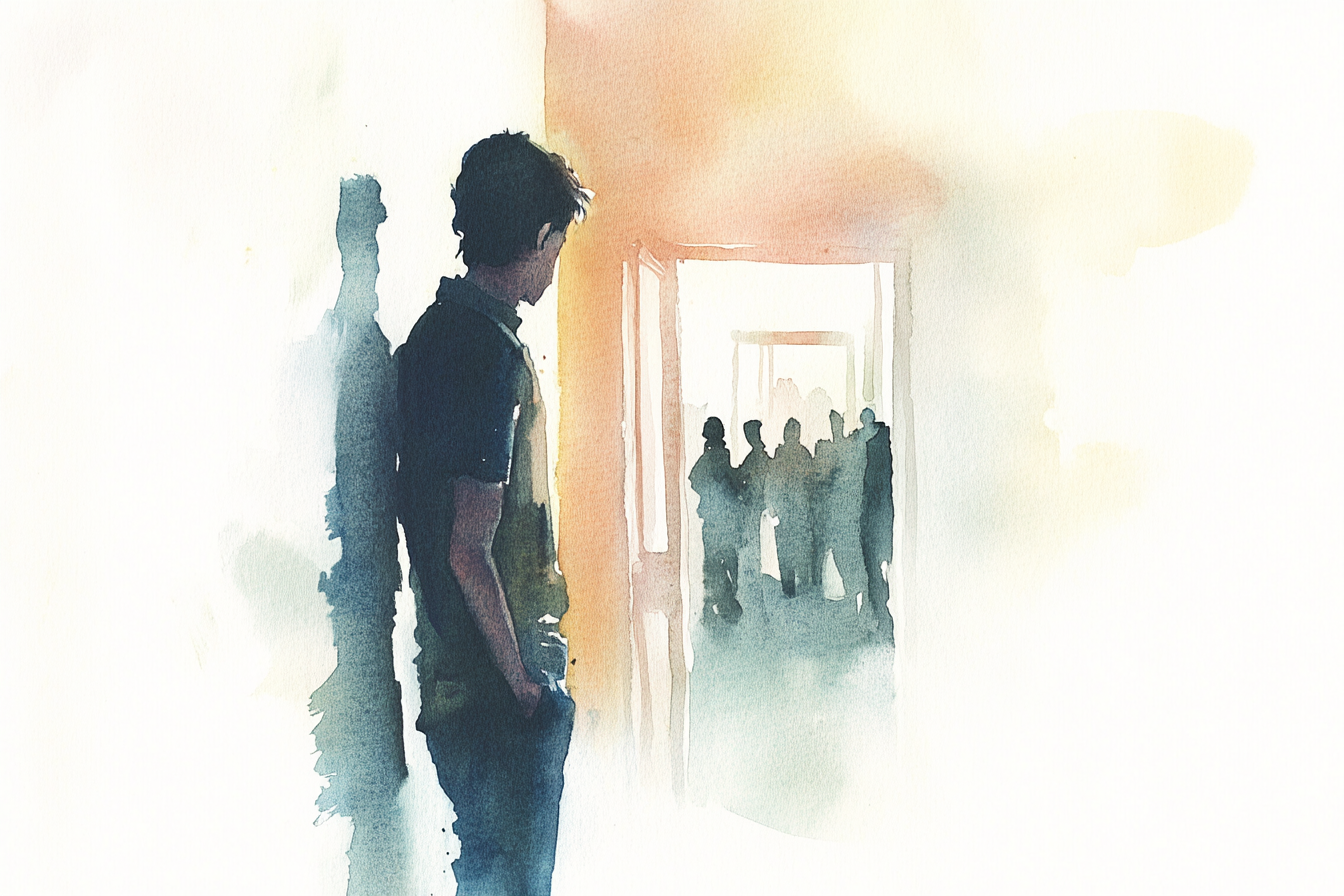
Why Friendship Has Always Felt So Hard — And What Actually Helps
A few months ago, I reconnected with a college roommate I hadn't spoken to in 35 years. When my roommate told his husband about the call and the 35-year gap, his husband said, dry as a martini: "Sounds like a really good friend."
Ouch. Touché.
And also — that friendship is real. It's always been real. It just doesn't run on the neurotypical maintenance schedule, and it never did. Neurodivergent people are not bad at friendship in some general, character-flaw kind of way. We're often very good at specific kinds of connection, and genuinely struggle with others — and we don't often talk about which is which, or why.

When Your Nervous System’s Engine Is Running Hot for Too Long
I was eleven the first time I burned out, though I wouldn't have a name for it for another forty-five years. That pattern — overload, collapse, effortful recovery, repeat — ran for the next four and a half decades. Here's what was actually happening, and what the research says about why it keeps happening to so many of us.

The Wrong Planet Goes to Work: Neurodivergence, employment, and why the system isn’t built for us
In middle school, a career aptitude test told me I should go into sales or retail management. I'm now a therapist who sees 45-55 neurodivergent clients a week from a home office, with my old dog snoring in the corner. It took forty years and several collapsed careers to get here.
This piece is about the wrong planet and its job market — why work is so hard for so many of us, what the data says, what happens when you can't get past the interview, and what might actually help. Real talk. Some hope. A hobbit hole at the end.

When Different Brains Fall in Love: An Honest Guide to Cross-Neurotype Relationships
My wife and I have a recurring conversational style that goes something like this: I'm in the middle of explaining something that matters to me, and before I finish the first 15 seconds, she's already somewhere else. From her perspective, she was connected, building on what I said. From mine, I've been talking to the ceiling.
We've gone through this cycle more times than I can count. Both of us are certain the other doesn't listen. Both of us, I've come to believe, are partly right.
I'm a late-diagnosed autistic adult. My wife is, as far as we know, neurotypical. We're both therapists. We both have a history of trauma. We're both, it turns out, surprisingly bad at applying our training to each other.
This is what I've learned.
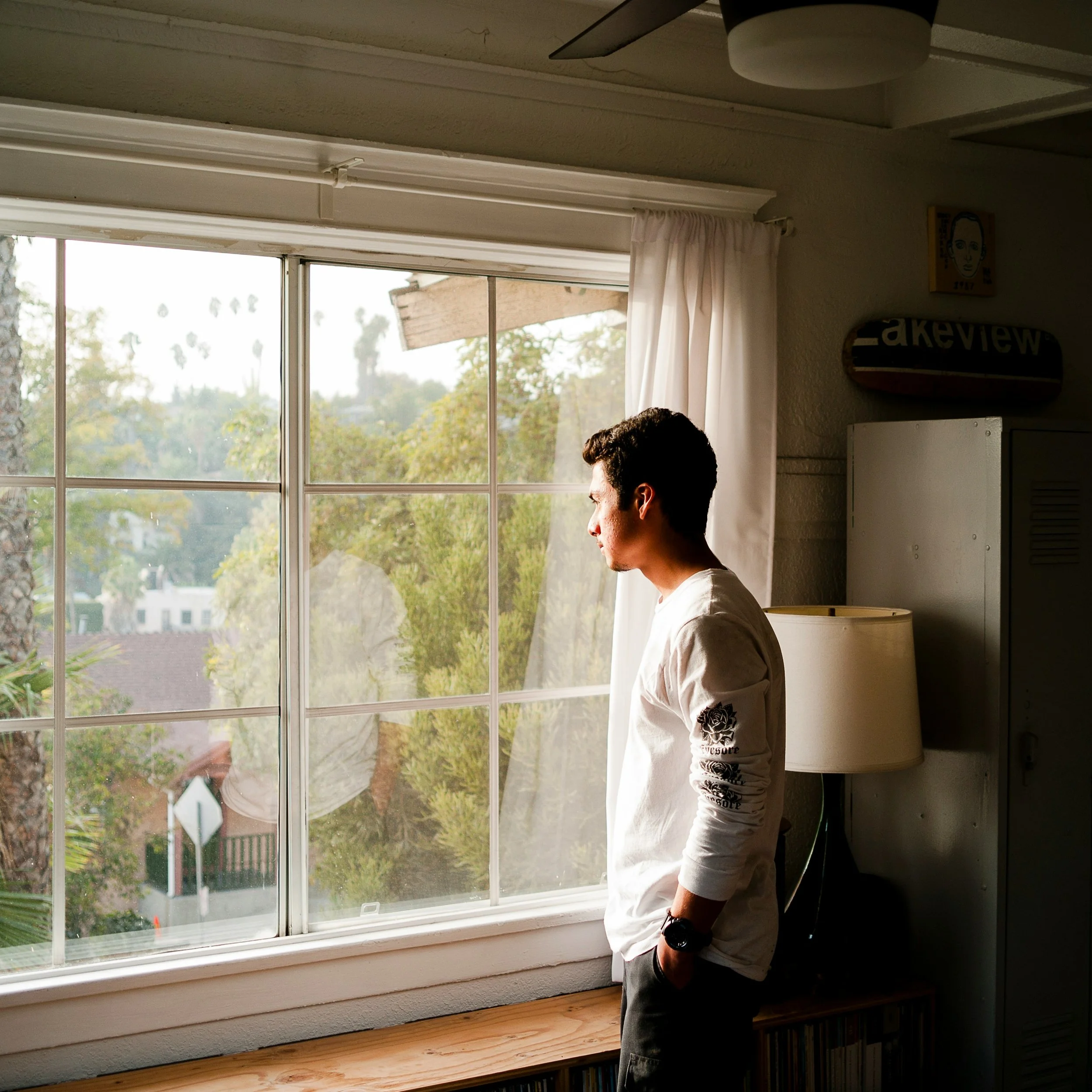
When Neurodivergence and Trauma Meet - and why the distinction may matter less than you think
I've spent thirty-nine years in therapy. Through all of it, I got better and better at one thing: understanding, in exquisite detail, exactly why I felt so messed up. What I couldn't do — for most of those thirty-nine years — was change any of it.
I was diagnosed as autistic at 56. I also have complex PTSD. And once both pieces were on the table, I started to understand something I now consider one of the most important questions in my clinical work: when neurodivergence and trauma grow up together in the same nervous system, trying to separate them is often the wrong problem to solve.
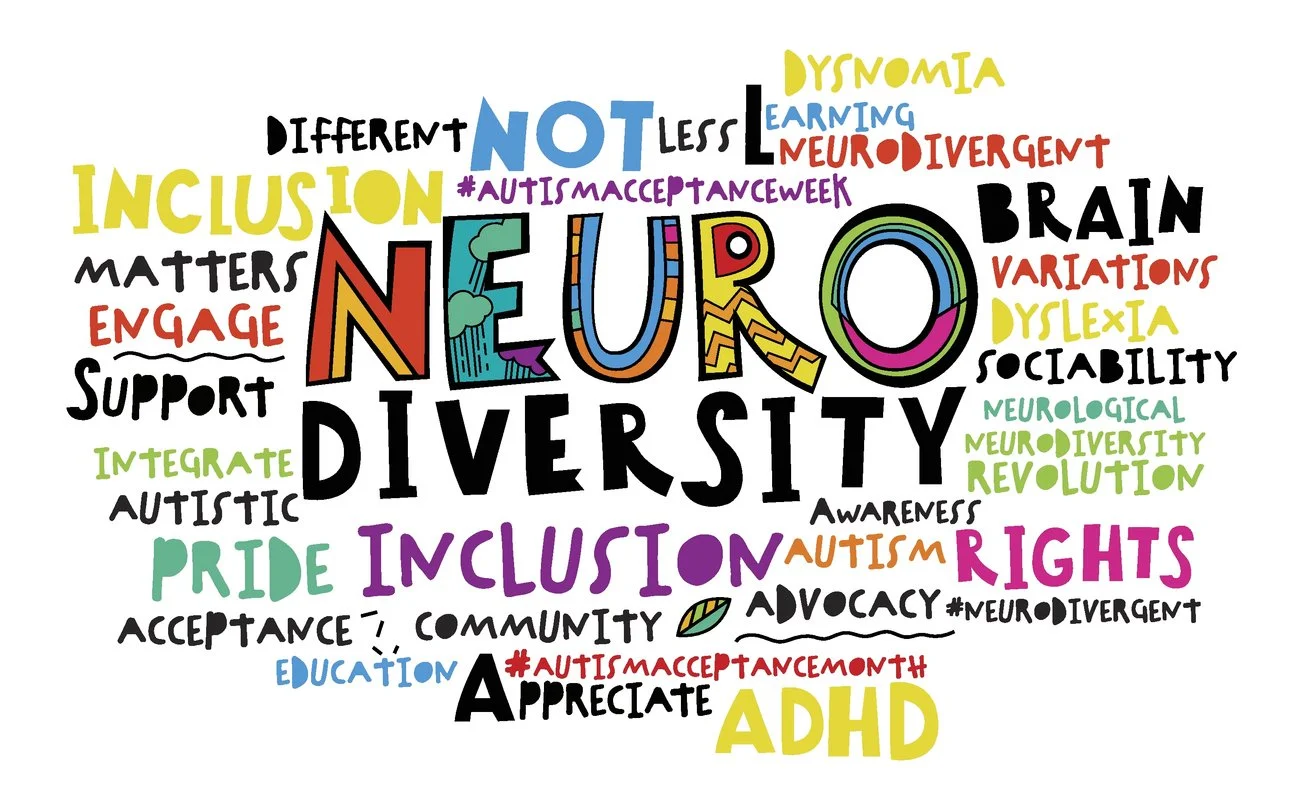
Understanding Neurodiversity-Affirming and Trauma-Informed Care: A Different Path to Healing
Neurodiversity-affirming care doesn't see autism, ADHD, or other forms of neurodivergence as disorders that need to be cured. Instead, it recognizes that different brains have different needs, different strengths, and different ways of navigating the world. The focus shifts from trying to make someone “normal” to helping them thrive as their authentic selves.

Seasonal Transitions and Neurodivergence
Over the past 8 years of work with neurodivergent children and adults, I’ve noticed an intriguing phenomenon. Every spring and fall, as well as at other times of the year where there are major changes in weather patterns, the neurodivergent people with whom I’m involved seem to experience a significant increase in dysregulation. When I was still a school-based therapist, this would show up as meltdowns, shut-downs, school avoidance, anxiety, and difficulty focusing and maintaining behavioral expectations in class.
Now that I work primarily with adults, I see more issues with increased difficulty in basic functioning, volatile moods, depression, anxiety, and sensory overload. It has seemed to me, the more I’ve thought about this and observed this phenomenon, that neurodivergent people of all ages experience major changes in weather patterns and circadian rhythms as stress, with all the impacts that stress has on vulnerable nervous systems…