

Explore The Blog

If You Believe “Everyone Is Neurodivergent,” You’re Part of the Problem
When spiritual oneness is used to erase the lived suffering of marginalized people, it isn't enlightenment. It's a very comfortable form of privilege.

When Your Instruments Lie: Understanding Alexithymia and Interoceptionin Neurodivergent Adults
I am a licensed clinical therapist. I specialize in neurodivergence and complex trauma. I help people understand their nervous systems for a living. And I spent an extremely expensive evening at an NFL game completely unable to access or regulate my own.
That's not irony. That's alexithymia and interoceptive differences, doing exactly what they do.
If you've ever been asked "how does that make you feel?" and found yourself genuinely unable to answer — not deflecting, not avoiding, actually not knowing — this is for you.

What Happens When I Speak: An Autistic Therapist on Unmasking, Silence, and the Cost of Being Seen
What Happens When I Speak
I made a video on a Wednesday morning before my first session. Not the polished kind — the raw kind. I talked about what I'm watching happen in my community as Medicaid cuts ripple through Oregon. I talked about getting bullied for speaking up. I talked about the exhaustion of being a person like me in a world like this one.
Then I shared it with the people I love most. And mostly got silence.
If you're autistic, you know what that silence does. Your nervous system — already hypervigilant, already scanning for rejection — registers it as data. You got it wrong again. Too much. Wrong topic. Put it away.
I've spent most of my life learning to be quiet. Not quiet as a spiritual practice. Quiet as armor. And here's what nobody tells you about that kind of silence: it doesn't protect you. It just means you're invisible and in pain, instead of visible and in pain.
This is a piece about unmasking, rejection sensitivity, and what it actually costs to use your voice when you've been told — in a thousand ways, over a lifetime — that who you truly are is either too much or not enough.
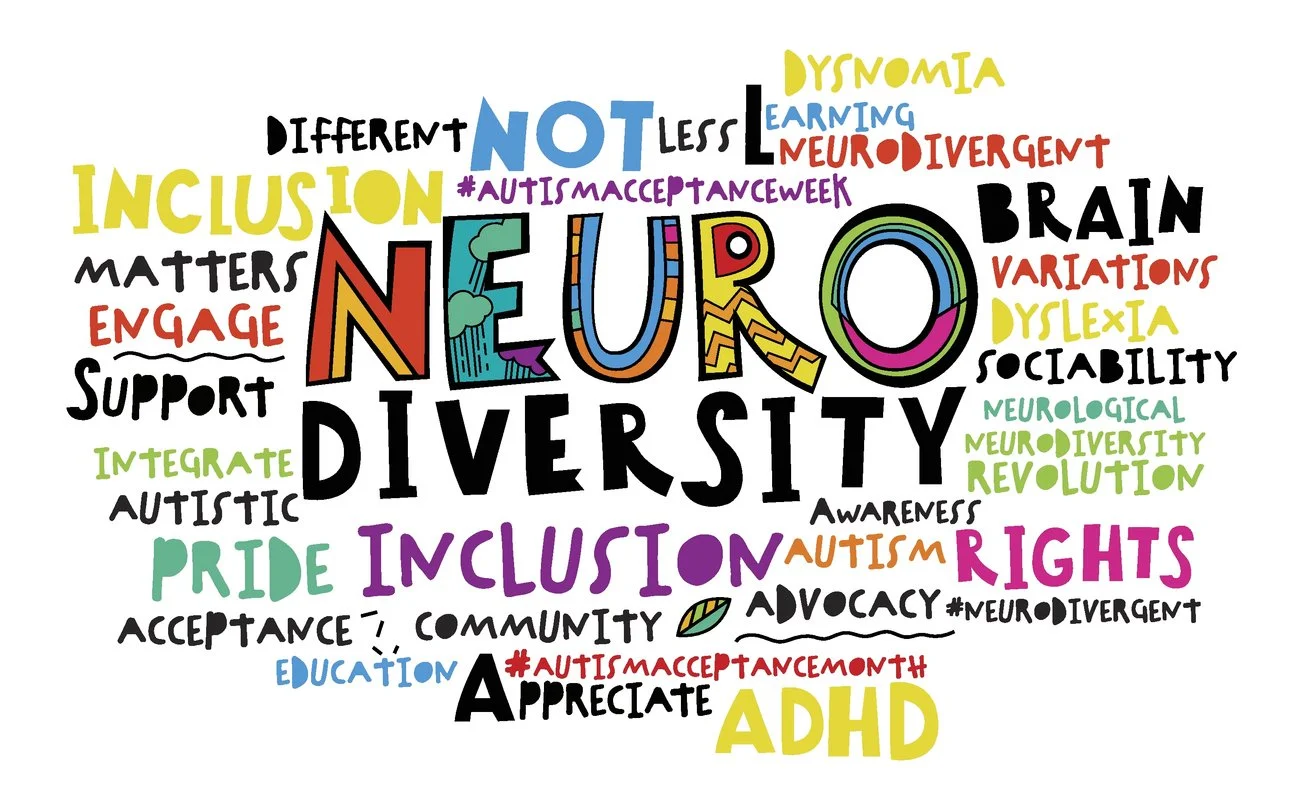
Understanding Neurodiversity-Affirming and Trauma-Informed Care: A Different Path to Healing
Neurodiversity-affirming care doesn't see autism, ADHD, or other forms of neurodivergence as disorders that need to be cured. Instead, it recognizes that different brains have different needs, different strengths, and different ways of navigating the world. The focus shifts from trying to make someone “normal” to helping them thrive as their authentic selves.