

Explore The Blog
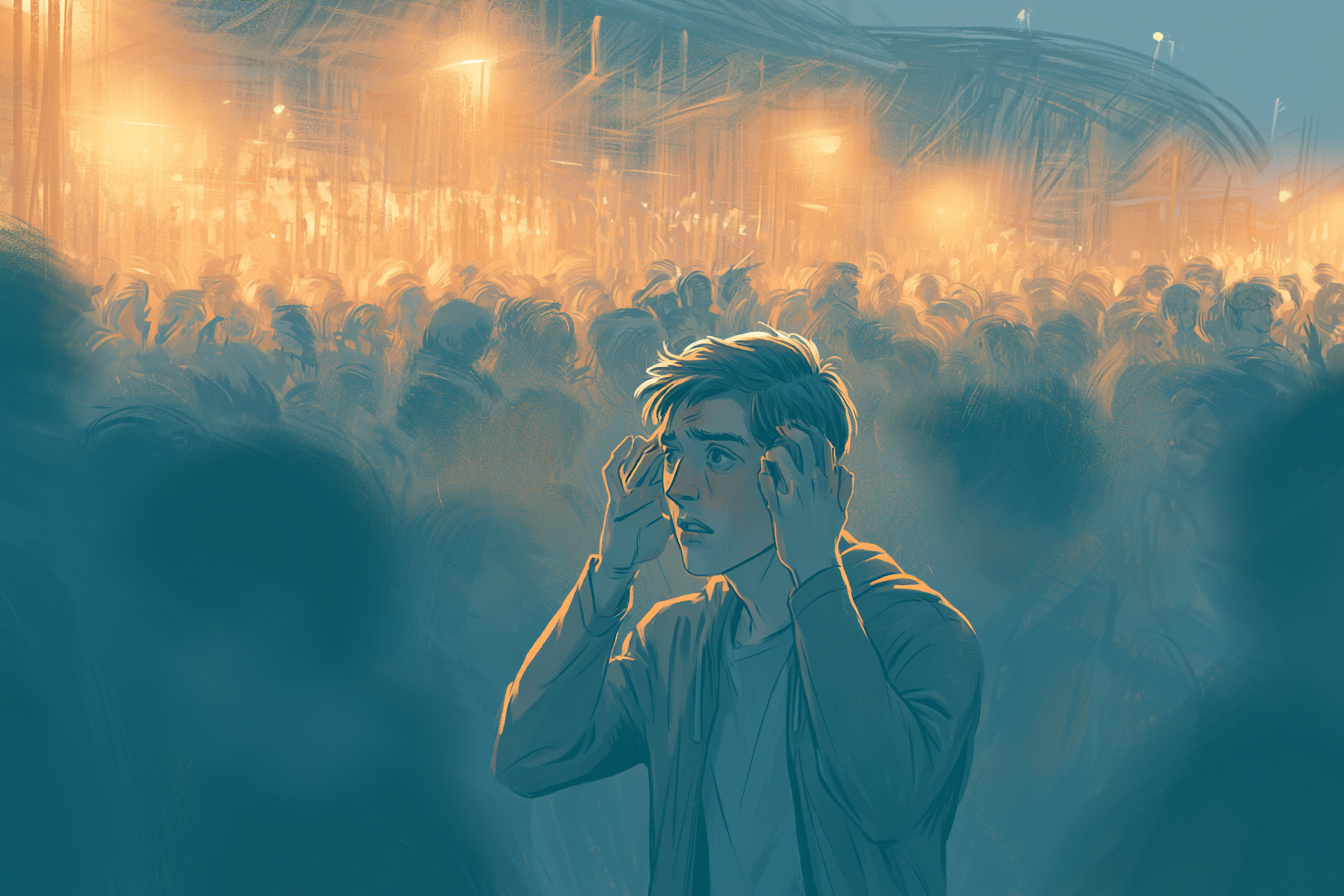
The Sensory Experience Is Central to Neurodivergent Life. Here’s What I’ve Created to Help.
While writing the hardest chapter of my book so far, I built a free tool to help you map your own sensory profile. Try it and tell me what you find.

When Different Brains Fall in Love: An Honest Guide to Cross-Neurotype Relationships
My wife and I have a recurring conversational style that goes something like this: I'm in the middle of explaining something that matters to me, and before I finish the first 15 seconds, she's already somewhere else. From her perspective, she was connected, building on what I said. From mine, I've been talking to the ceiling.
We've gone through this cycle more times than I can count. Both of us are certain the other doesn't listen. Both of us, I've come to believe, are partly right.
I'm a late-diagnosed autistic adult. My wife is, as far as we know, neurotypical. We're both therapists. We both have a history of trauma. We're both, it turns out, surprisingly bad at applying our training to each other.
This is what I've learned.

When Neurodivergence and Trauma Meet - and why the distinction may matter less than you think
I've spent thirty-nine years in therapy. Through all of it, I got better and better at one thing: understanding, in exquisite detail, exactly why I felt so messed up. What I couldn't do — for most of those thirty-nine years — was change any of it.
I was diagnosed as autistic at 56. I also have complex PTSD. And once both pieces were on the table, I started to understand something I now consider one of the most important questions in my clinical work: when neurodivergence and trauma grow up together in the same nervous system, trying to separate them is often the wrong problem to solve.