

Explore The Blog
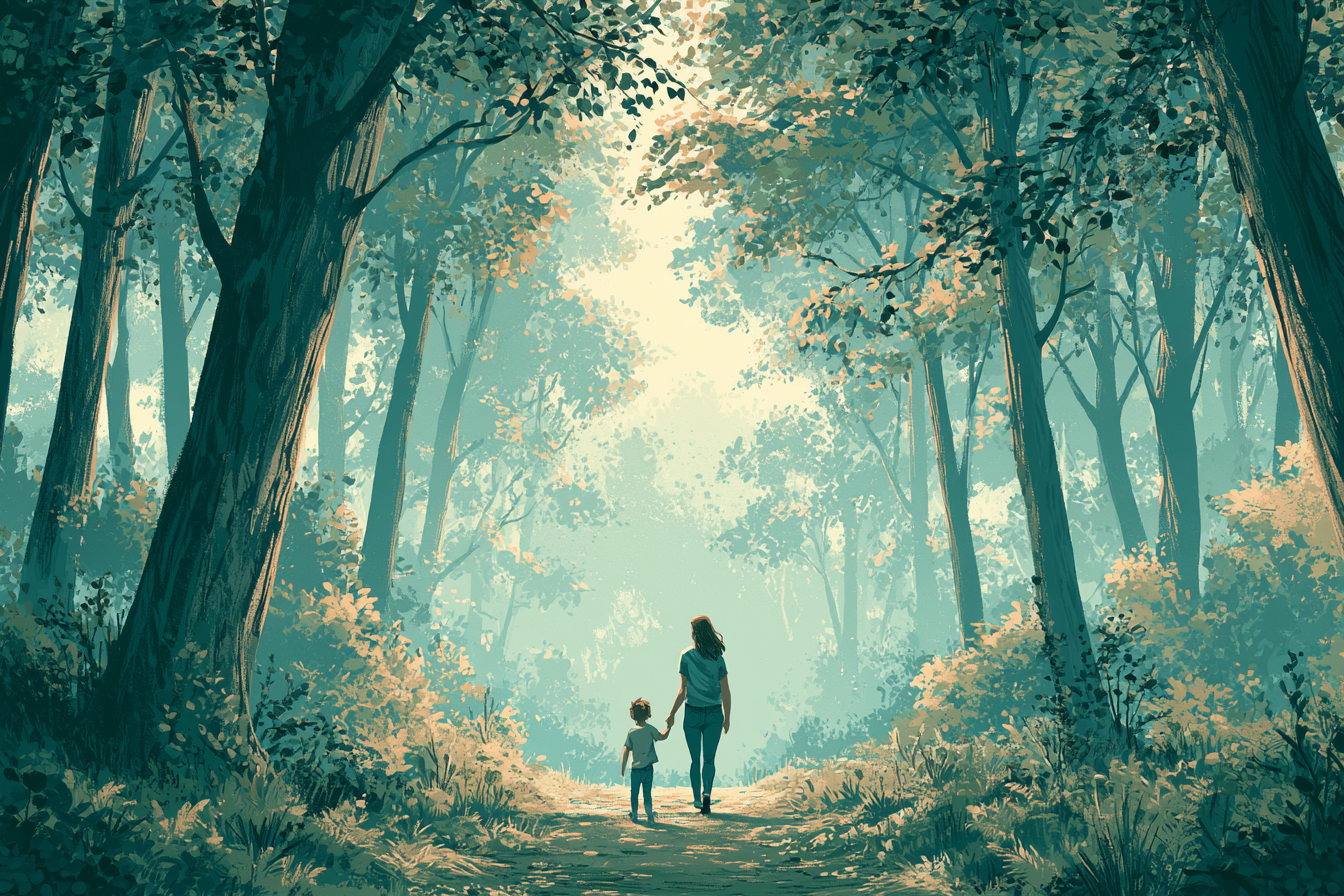
Parenting While Neurodivergent – A User’s Manual
As a parent, you are not doomed to repeat what happened to you. And your neurodivergent child is not a tragedy waiting to be grieved.
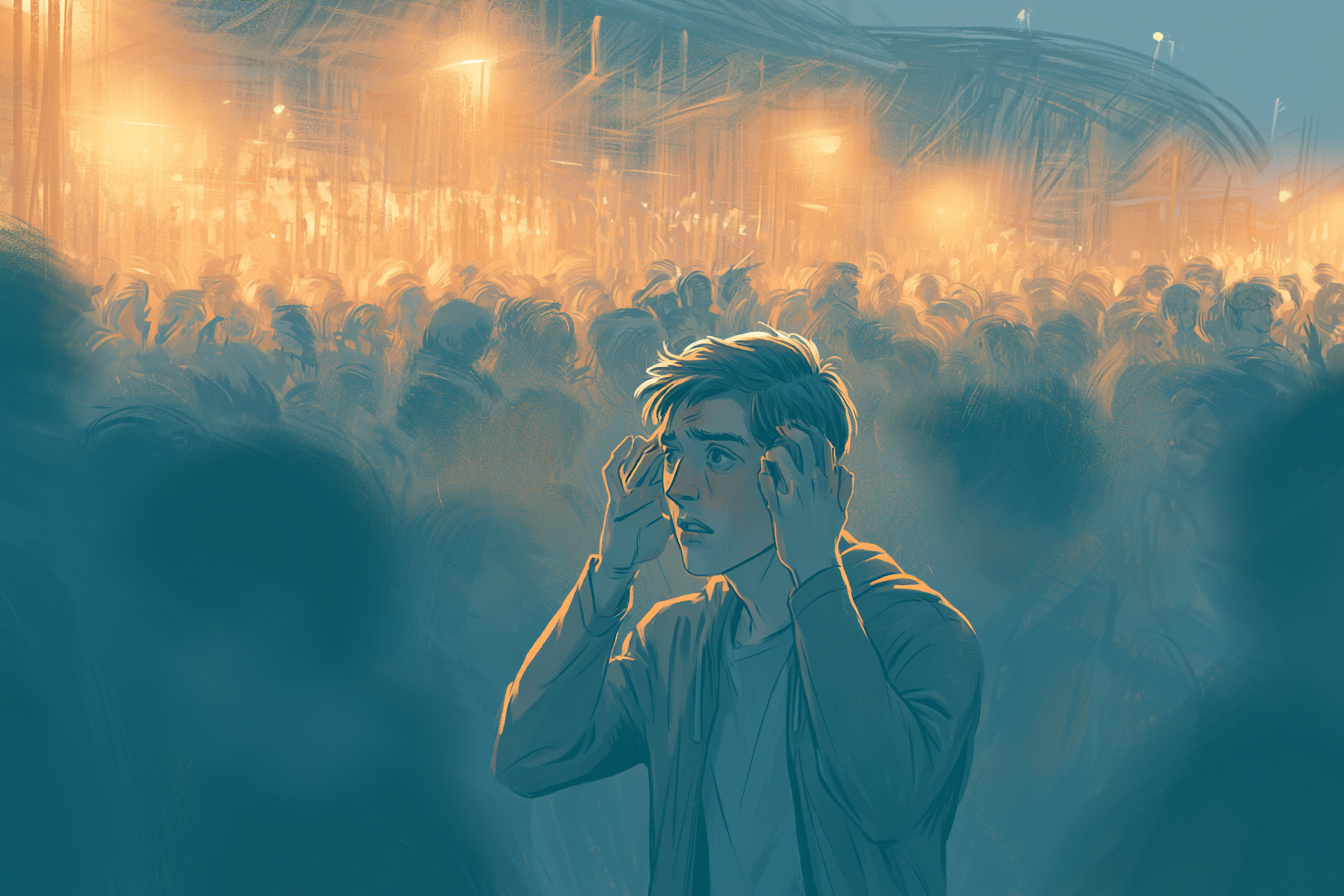
The Sensory Experience Is Central to Neurodivergent Life. Here’s What I’ve Created to Help.
While writing the hardest chapter of my book so far, I built a free tool to help you map your own sensory profile. Try it and tell me what you find.
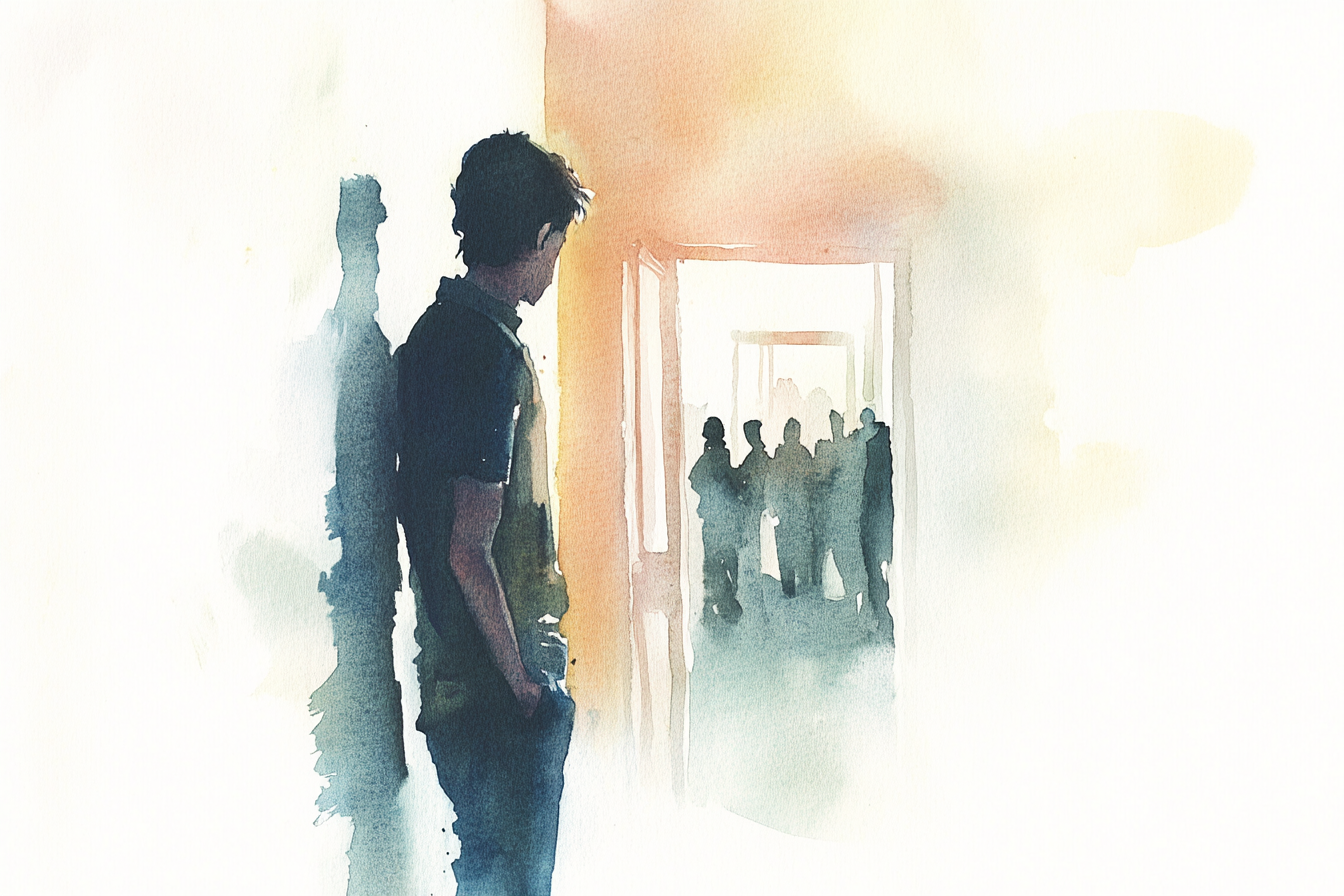
Why Friendship Has Always Felt So Hard — And What Actually Helps
A few months ago, I reconnected with a college roommate I hadn't spoken to in 35 years. When my roommate told his husband about the call and the 35-year gap, his husband said, dry as a martini: "Sounds like a really good friend."
Ouch. Touché.
And also — that friendship is real. It's always been real. It just doesn't run on the neurotypical maintenance schedule, and it never did. Neurodivergent people are not bad at friendship in some general, character-flaw kind of way. We're often very good at specific kinds of connection, and genuinely struggle with others — and we don't often talk about which is which, or why.

The Wrong Planet Goes to Work: Neurodivergence, employment, and why the system isn’t built for us
In middle school, a career aptitude test told me I should go into sales or retail management. I'm now a therapist who sees 45-55 neurodivergent clients a week from a home office, with my old dog snoring in the corner. It took forty years and several collapsed careers to get here.
This piece is about the wrong planet and its job market — why work is so hard for so many of us, what the data says, what happens when you can't get past the interview, and what might actually help. Real talk. Some hope. A hobbit hole at the end.

When Neurodivergence and Trauma Meet - and why the distinction may matter less than you think
I've spent thirty-nine years in therapy. Through all of it, I got better and better at one thing: understanding, in exquisite detail, exactly why I felt so messed up. What I couldn't do — for most of those thirty-nine years — was change any of it.
I was diagnosed as autistic at 56. I also have complex PTSD. And once both pieces were on the table, I started to understand something I now consider one of the most important questions in my clinical work: when neurodivergence and trauma grow up together in the same nervous system, trying to separate them is often the wrong problem to solve.